
Precision Performance Tracking
Sports tech isn’t just about counting steps anymore. Athletes are now wired into systems that monitor everything from heart rate to oxygen consumption to core body temperature in real time. It’s not flashy, but it’s effective. Wearable sensors are feeding this constant stream of data to coaches and athletes without the guesswork that defined past training.
Smart fabrics are doing heavy lifting, too. Compression shirts with embedded ECG sensors, socks tuned to track gait, sleeves that sense muscle activation this isn’t sci fi. It’s off the shelf and on the field. Instead of strapping on bulky gear, athletes are training in tech that feels like part of their body.
The real shift, though, is in how data gets used. One size fits all norms are falling away. Instead of comparing performance to population averages, athletes now train against their own personal ideal what’s optimal for them based on yesterday’s workout, last month’s sleep pattern, or today’s hydration level. Precision has replaced generalization.
Old school metrics are out. Personal baselines are the new standard. The result? Smarter training, faster recovery, and fewer injuries.
Injury Prevention and Load Management
In sports, overtraining isn’t just burnout it’s a backdoor to injury. The difference now is, wearables can catch the signs before bodies break down. Devices are tracking metrics like heart rate variability, sleep quality, core temp, and strain to pick up recovery deficits early. When your numbers start lagging, it’s not just a bad day it might be a red flag.
Movement analysis tools are also stepping up. Think pressure sensors in insoles or motion capture wearables on joints. These systems detect micro imbalances tiny compensations that, over time, lead to real injuries. Spot them early, and you can tweak form, balance the body, or pull back before things go south.
It flips the script from patching up problems after the fact to actually avoiding them in the first place. The best sports science isn’t reactive anymore it’s predictive. Proactive prevention isn’t just a strategy. It’s the new baseline.
Data Driven Coaching and Feedback Loops
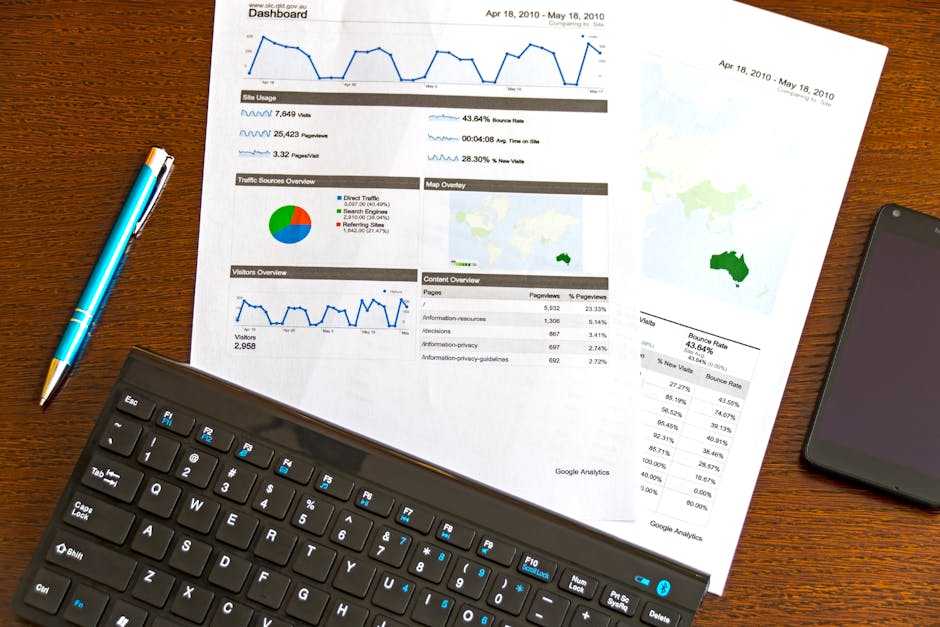
Coaches aren’t relying on gut instinct anymore at least, not exclusively. Today, they’re staring at dashboards filled with real time biometrics: heart rate zones, hydration levels, muscle fatigue, GPS movement trails. Decisions that used to be made on the sideline with a stopwatch and a clipboard now run through complex data models. Substitutions, training loads, even recovery days are all calculated, not guessed.
Wearable tech has made that level of detail possible. Say a mid fielder is logging too many high intensity sprints in practice? The system flags it. Coaches pull them out early, not after an injury flares up. Likewise, recovery windows are trained around actual physiological feedback not just what an athlete says they feel.
It’s not about removing the human touch. It’s about enhancing it with something solid: verified, moment to moment information. Training programs are no longer static they adapt daily to the athlete’s current state. It’s evolution through iteration, powered by the data sitting on their wrists.
Mental Conditioning and Cognitive Metrics
Athletes aren’t just training their bodies they’re training their brains, too. Enter EEG headbands, capable of tracking mental fatigue, focus, and reaction times in real time. These devices are becoming standard in elite sports programs, helping coaches and athletes get immediate visibility into cognitive states that were once a black box.
Neurofeedback once the domain of clinical settings is becoming portable and practical. If a sprinter’s reaction time starts slowing during a session, or a quarterback’s focus dips, it’s not a guess. It’s on a chart. And with that data in hand, coaches can adjust drills or recovery schedules without wasting reps.
Mindfulness tech is also gaining ground. Apps and sensors work together to monitor stress signals and recommend recovery protocols, often before the athlete is even aware of an issue. The shift here is simple: mental fatigue is just as measurable and manageable as muscle strain. The athletes who get that edge are the ones who stay sharper, longer.
Inside the Tech: Innovation That Drives It All
Wearable tech in sports isn’t just about looking futuristic it’s about packing a lab’s worth of analytics into something that fits on your wrist or slides under your shirt. GPS tracks speed, direction, and location down to the meter. Accelerometers map movement patterns and intensity, making it obvious where force is being applied or wasted. EMG (electromyography) sensors dive even deeper, reading real time muscle activation. Together, these tools build a full body snapshot, helping athletes and coaches break down performance movement by movement.
And while the data is getting smarter, the hardware is getting smaller. Today’s wearables are lighter, more flexible, and virtually invisible beneath uniforms. The goal for designers is clear: no distractions, no drag, no compromise. Think adhesive sensors that feel like second skin, or smart fabric woven so tight you forget it’s there.
This isn’t sci fi it’s here, and it’s evolving fast. Whether on the field, in the gym, or mid race, athletes are carrying powerful tech that works in the background so they can stay fully present in the moment.
(Learn more about specific breakthroughs in cutting edge wearable tech)
What This Means for the Future of Sports
Wearable tech isn’t just a pro level advantage anymore. These tools are showing up in local gyms, high school turf fields, and weekend track meets. That’s starting to level the playing field between elite athletes and regular competitors because when everyone can track performance in real time, raw potential gets clearer. You don’t need a scout’s eye when the data points to who’s putting in smart, sustainable effort.
Recruitment is shifting too. Coaches and scouts are leaning harder on biometrics, not gut feelings. Heart rate variability, sprint acceleration, fatigue thresholds they’re all on record now. That makes talent scouting more transparent, less political, and backed by numbers. It’s still about the game, but the metrics sharpen the story.
The long term implications are even bigger. Fewer preventable injuries. Smarter workload management. Careers that stretch longer because the system flags red zones before bodies break down. And team strategies? They’re going from instinct to intel.
This shift isn’t coming it’s already here. And it’s not just changing how we measure performance, but what we define as potential.
(Explore more on how performance is evolving through cutting edge wearable tech)
 Milla Collings plays a pivotal role at Make Athlete Action, where her expertise in sports nutrition and conditioning has been invaluable in crafting content that resonates with athletes and fitness enthusiasts alike. With a deep understanding of how nutrition impacts performance, Milla has contributed extensively to the platform’s nutrition and conditioning segments, ensuring that athletes receive practical, science-backed advice. Her commitment to excellence has helped elevate Make Athlete Action as a trusted source of knowledge for anyone looking to optimize their diet and achieve their peak performance.